
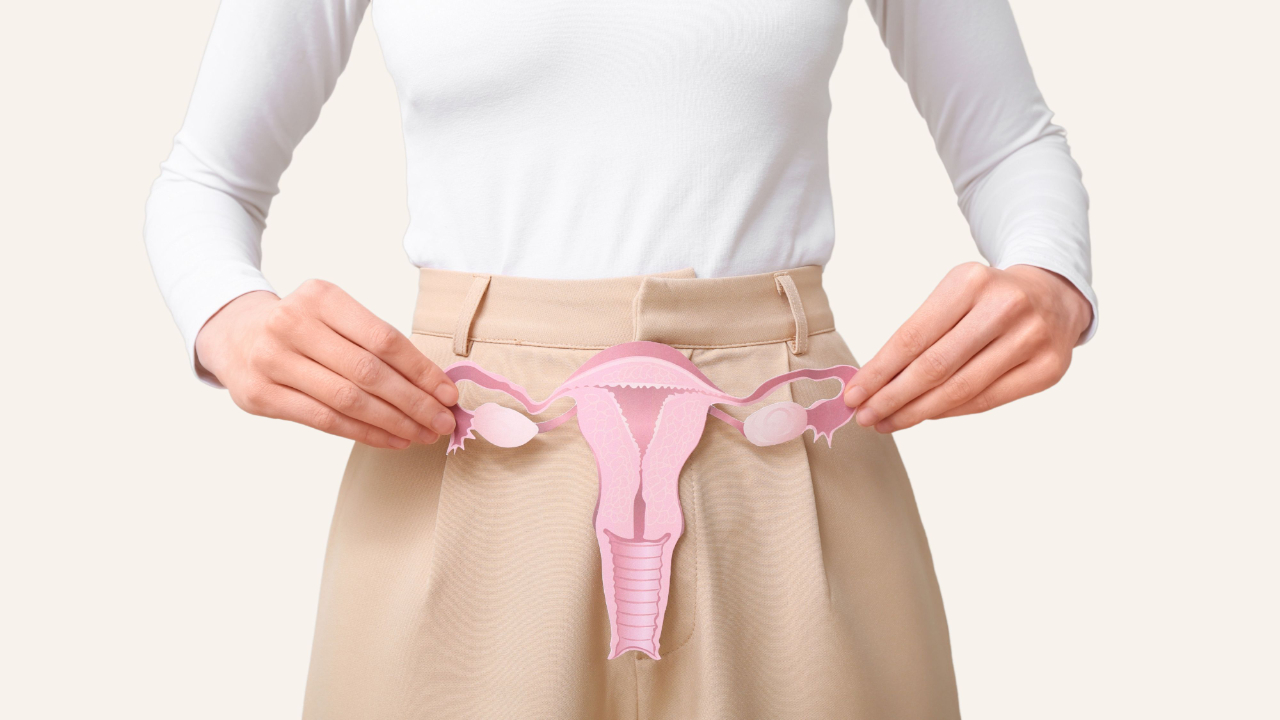
Hormone Balance for Moms: Why Gut Health, Stress, and Detox Matter
Many moms feel like their hormones are “off.”
Maybe you feel tired all the time. Maybe your mood swings feel stronger than they used to. Maybe your cycles changed after having kids. Some moms struggle with bloating, acne, weight gain, poor sleep, or feeling anxious for no clear reason.
Most women think hormones are only about the ovaries or reproductive system. But hormones are actually connected to many systems in the body.
Three of the biggest influences are:
- gut health
- stress and cortisol
- detox and liver health
When these systems are not working well, hormone symptoms often show up.
Gut Health and Hormones
Your gut plays a bigger role in hormone balance than most people realize.
Certain bacteria in the gut help break down and process hormones, especially estrogen. There is even a group of gut bacteria sometimes called the estrobolome that helps regulate how estrogen is metabolized in the body.
When the gut microbiome is healthy, estrogen can be broken down and eliminated properly. But when the gut becomes imbalanced, estrogen can be recycled instead of leaving the body. This can contribute to symptoms like PMS, breast tenderness, acne, heavy periods, and mood swings.
Simple ways to support gut health:
- eat fiber from vegetables, seeds, beans, and whole foods
- include fermented foods if tolerated (sauerkraut, yogurt, kefir)
- reduce excess sugar and ultra-processed foods
- chew food well and eat slowly
- support regular bowel movements
Stress and Cortisol
Stress is another major factor that affects hormones.
When the body is under stress, it releases a hormone called cortisol. Cortisol is helpful in short bursts because it helps the body respond to challenges. But when stress becomes constant, cortisol can stay elevated or become dysregulated.
Chronic stress can interfere with other hormone systems, including:
- estrogen
- progesterone
- thyroid hormones
- blood sugar regulation
Many moms live in a constant state of stress because they are caring for kids, working, managing homes, and often not getting enough rest. Over time, this stress load can affect how the body regulates hormones.
Simple ways to support your stress response:
- prioritize sleep whenever possible
- get sunlight and fresh air each day
- take short breaks during the day to breathe and reset
- reduce caffeine if you feel anxious or wired
- move your body with gentle exercise like walking or stretching
Detox and Liver Health
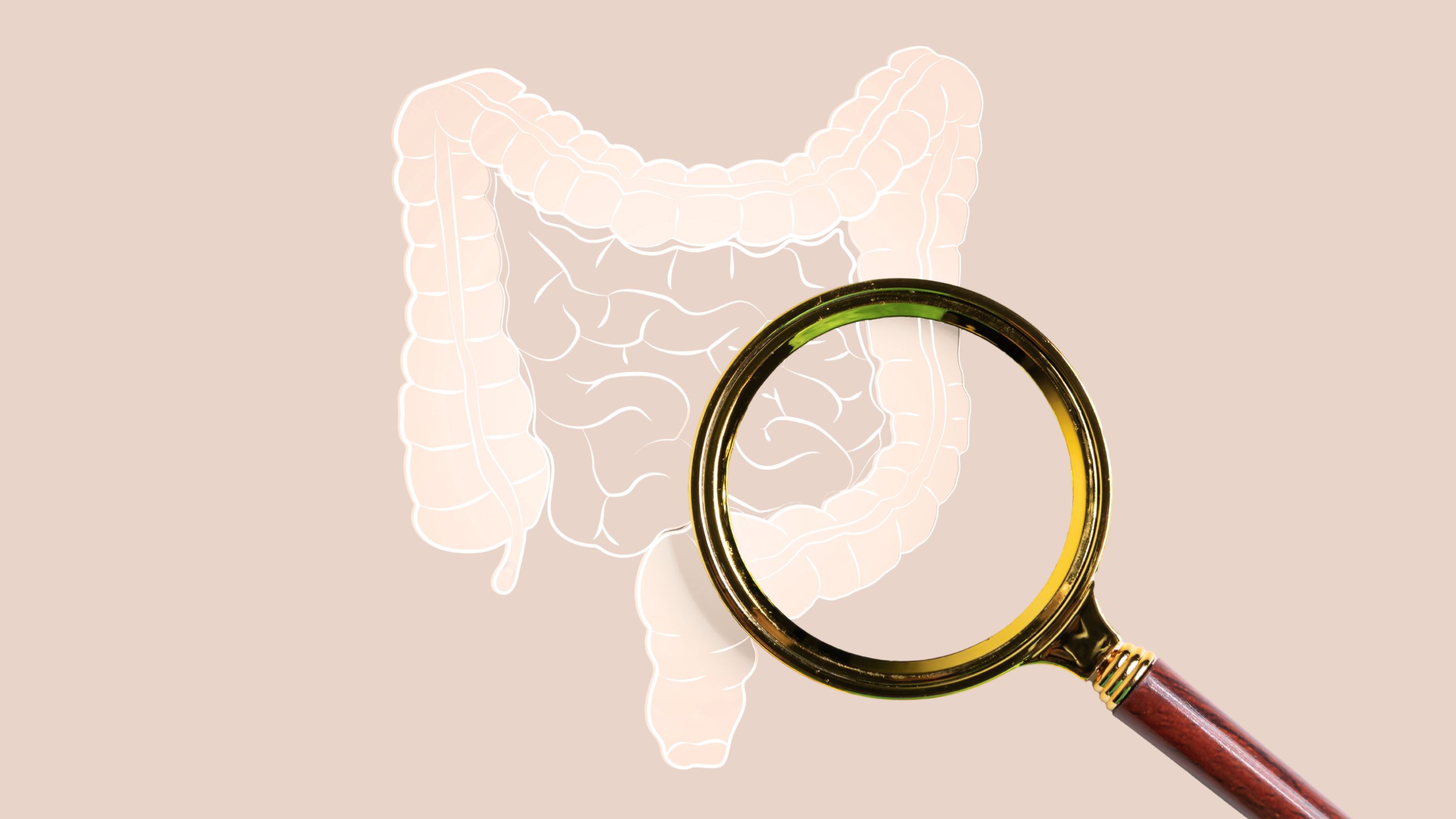
Another important piece of hormone balance is detox and liver health.
The liver helps process hormones after the body uses them. Hormones like estrogen go through detox pathways in the liver before they can be eliminated.
If detox pathways are sluggish, hormones can stay in circulation longer than they should.
The liver also processes toxins from food, the environment, and personal care products. When the body is exposed to more toxins than it can process efficiently, detox pathways can become overwhelmed.
Certain foods help support these detox pathways.
Simple ways to support detox and liver health:
- eat vegetables daily, especially cruciferous vegetables like broccoli, cabbage, and Brussels sprouts
- drink enough water throughout the day
- include protein with meals
- support regular bowel movements
- reduce exposure to endocrine-disrupting chemicals when possible
The Big Picture
Hormone balance is not just about hormones themselves.
It reflects the health of many systems in the body.
When gut health improves, stress becomes more regulated, and detox pathways are supported, the body is often better able to balance hormones naturally.
Small daily habits can make a big difference over time.
You don’t have to do everything perfectly. Start with a few simple steps and build from there.
If you want guidance on exactly how to build these healthy foundations, I teach all of this step-by-step inside my Holistic Healing School for Moms, where I help you become the healer of your home with confidence and simplicity.
Sources
Baker JM, Al-Nakkash L, Herbst-Kralovetz MM. Estrogen–gut microbiome interactions: physiological and clinical implications. Maturitas. 2017;103:45-53.
Flores R, Shi J, Fuhrman B, et al. Fecal microbial determinants of estrogen metabolism in postmenopausal women. Journal of Clinical Endocrinology & Metabolism. 2012;97(6):E1020-E1029.
Chrousos GP. Stress and disorders of the stress system. Nature Reviews Endocrinology. 2009;5(7):374-381.
Joseph JJ, Golden SH. Cortisol dysregulation and the metabolic syndrome. Endocrine Reviews. 2017;38(2):173-196.
Hodges RE, Minich DM. Modulation of metabolic detoxification pathways using foods and food-derived components. Journal of Nutrition and Metabolism. 2015.
Esteve M. Mechanisms underlying biological effects of cruciferous vegetables and their glucosinolate derivatives. Nutrients. 2020.
Previous Blogs
→ The Gut Microbiome: The Missing Link Behind Allergies, Chronic Symptoms, and Digestive Issues
→ Leaky Gut in Kids: What Every Mom Needs to Know
→ 5 Surprising Foods That Harm Your Child’s Gut (and What to Use Instead)
→ Why Your Child’s Skin Struggles Start in the Gut
→ Is Mold Making Your Child Sick? The Hidden Root Cause Behind Eczema, Allergies, and Fatigue
